If you picture your week as a mix of morning coffee runs, easy errands on foot, and quick jumps to art, dining, and the beach, Midtown Miami’s condo corridor may fit your rhythm. You want convenience without sacrificing culture, plus a home base that feels polished and urban. In this guide, you’ll get a clear look at daily life in 33137, what condo living really feels like, how you will get around, and smart questions to ask before you tour. Let’s dive in.
Midtown at a glance
Midtown sits between Wynwood and the Miami Design District, functioning as an urban bridge that connects galleries, restaurants, and luxury retail in a compact, walkable zone. Residents describe it as a dense, mixed‑use corridor anchored by an open‑air retail campus and surrounded by mid and high‑rise towers. You will find a convenience‑forward lifestyle with a lively street scene, especially around evenings and weekends. Its location lets you step into culture nearby while keeping your daily errands close to home. (source)
Demographic snapshots for ZIP 33137 show a median age in the mid 30s and a high renter share, roughly 70 percent renters to 30 percent owners in recent ACS‑based summaries. Median income levels have climbed alongside newer luxury inventory. Treat these figures as planning context rather than rules of who “fits.” They signal a neighborhood that values access, design, and short-commute living. (source)
Daily life and walkability
Walkability and errands
Midtown’s core scores very high for walkability in street‑level Walk Score snapshots. Many residents complete daily errands on foot while relying on rideshare or bus and trolley connections for longer trips. The Shops at Midtown anchors the district with Target, Trader Joe’s, home and value retailers, and services that cover most weekly needs without leaving the neighborhood. M Park, a small playground and green pocket inside the retail fabric, adds quick outdoor space for a breather. (Walk Score, The Shops at Midtown)
Coffee to culture
From Midtown, you are minutes from Wynwood’s murals and casual cafe scene, and the Design District’s galleries and showroom dining. Weekend programming like Wynwood’s Art Walk draws crowds and keeps evenings lively. Expect heavier visitor foot traffic during Art Week and peak event seasons. Plan ahead on those nights if you prefer quieter streets. (Wynwood events)
Parks and fitness
Green pockets exist within the retail core for quick fresh‑air breaks, while larger waterfront parks along Biscayne Bay are a short ride away. Boutique studios and neighborhood gyms are plentiful across Midtown, Wynwood, and the Design District. If outdoor time is important to you, factor in how often you will hop to bayfront parks and Museum Park to the south for longer walks.
Getting around and the beach
Trolleys, buses, and rail
You will find a practical mix of free city trolleys and Metrobus routes that cross Biscayne Boulevard and connect into Downtown. Midtown does not have direct Metromover stations, so rail access typically means a short transfer into Downtown first. From there, Metrorail links to the airport through transfer stations. This setup works well if you are flexible and mix trolley, bus, and rideshare based on the time of day. (Miami Trolley maps)
Water taxi and beach access
Miami Beach is usually a 10 to 25 minute drive from Midtown depending on traffic. A growing set of ferry and water taxi options across Biscayne Bay, including a new service launched in January 2026, can add a stress‑free route during peak times. Check seasonal schedules before you go and treat boats as a leisure‑friendly alternative rather than a daily commute backbone. (water taxi context)
The condo corridor lifestyle
Buildings and amenities
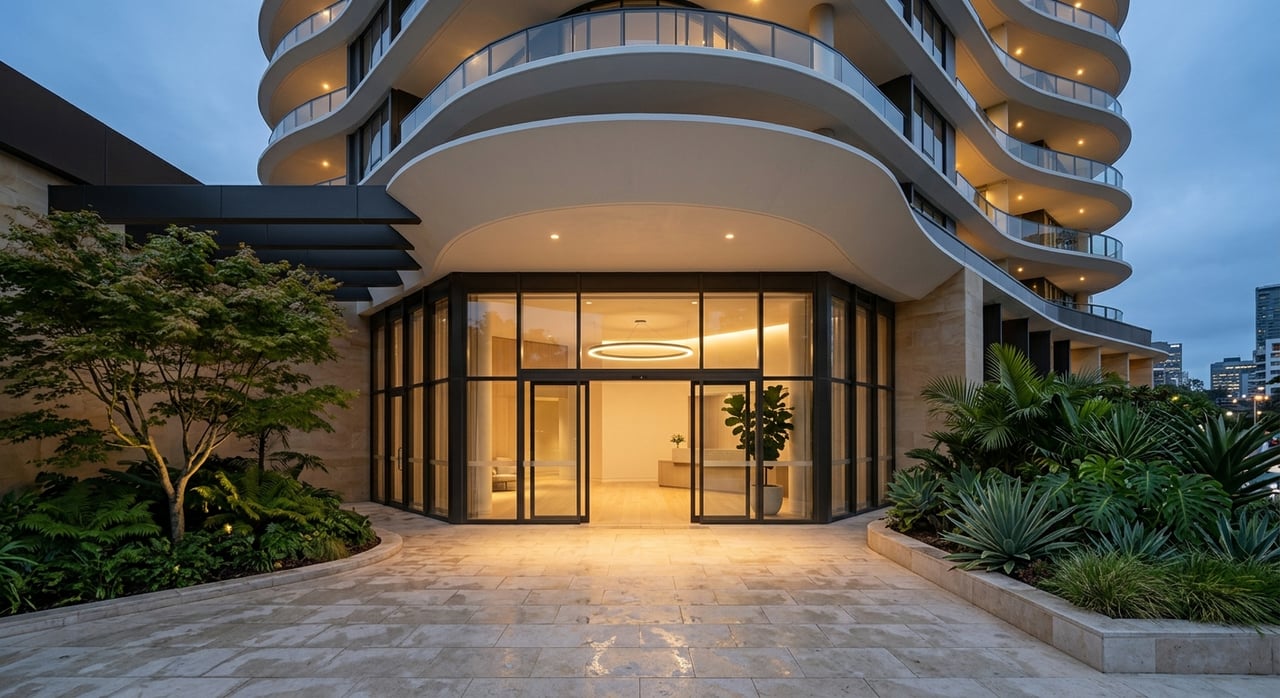
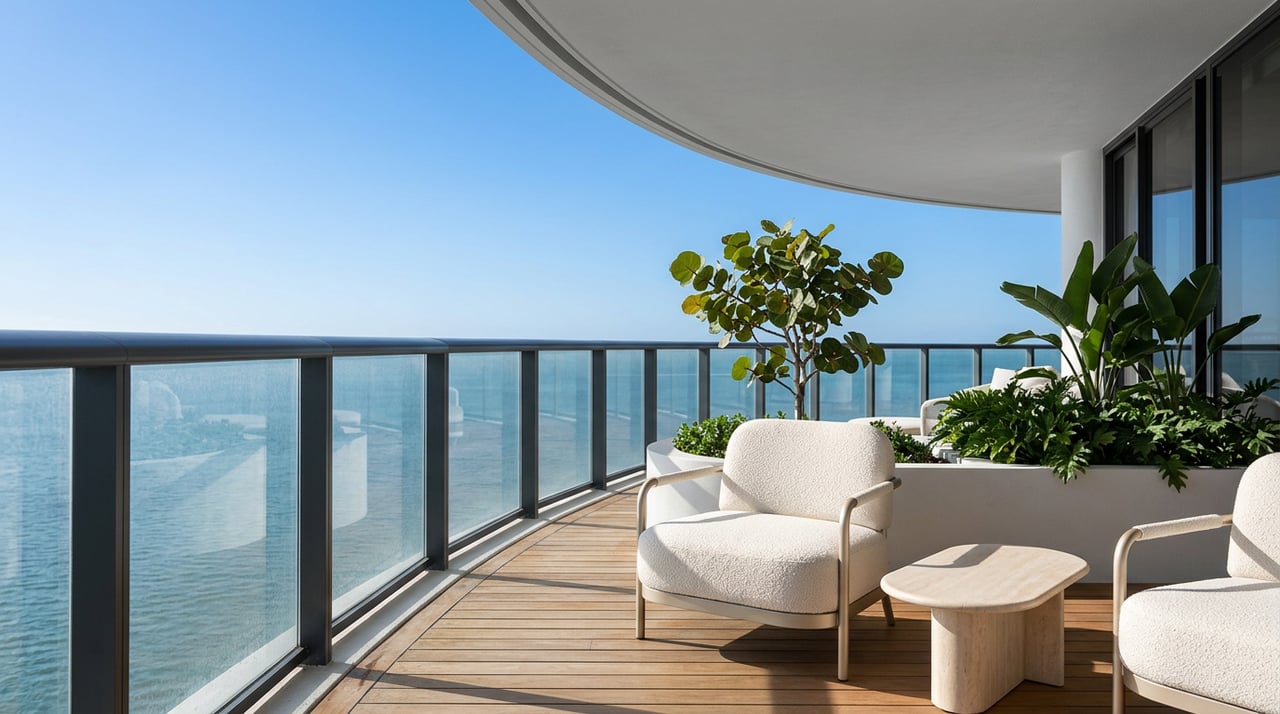
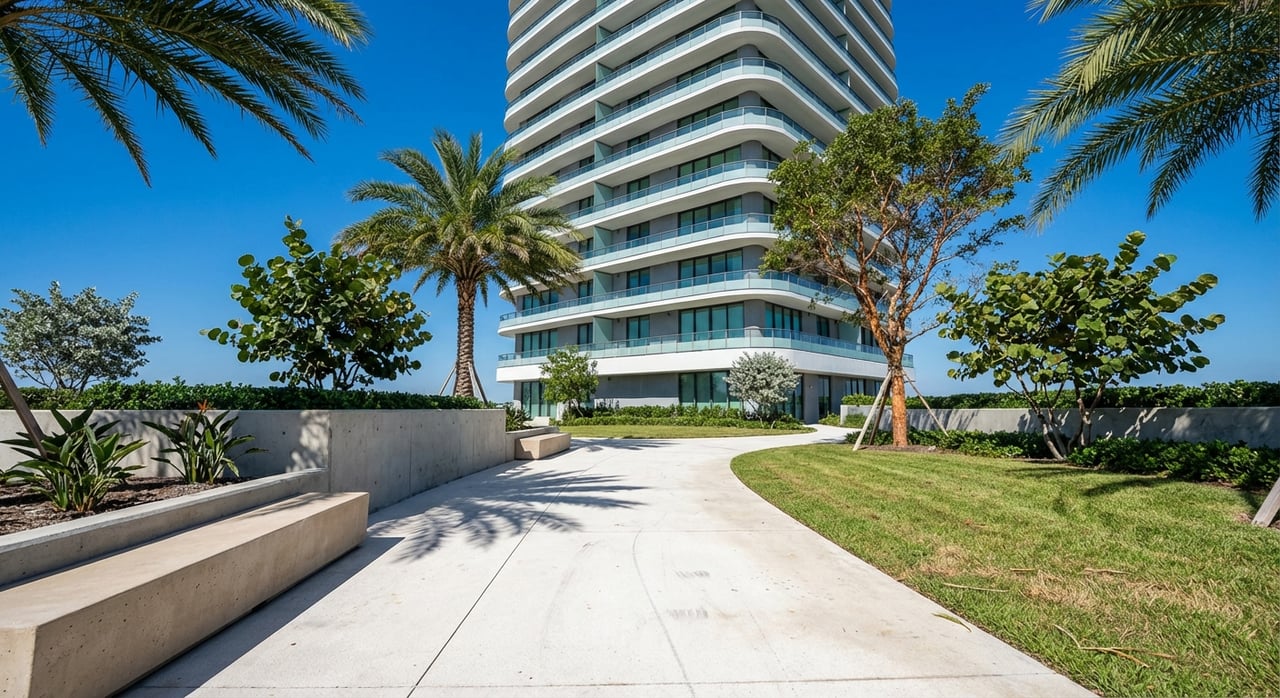
Most towers here were delivered in the 2000s and 2010s with loft‑style plans, floor‑to‑ceiling glass, and amenity decks that feel like boutique hotels. Expect elevated pools, fitness centers, concierge or valet service, secure parking, and ground‑floor retail access. Building pages for properties like Four Midtown illustrate the standard: resort‑style pools, gyms, 24‑hour services, and a social, urban lobby experience. When you tour, use that as a baseline for comparison. (typical amenities)
Day to day inside a tower
Daily life is streamlined. Package rooms and on‑site management make deliveries easy, and concierge teams smooth resident services. You should also plan for typical urban tradeoffs such as weekend street energy and event‑night noise. If quiet is a priority, visit after 8 to 10 p.m. on a weekend to check sound levels from the unit and balcony you are considering.
Owners, renters, and leasing
ZIP‑level data shows a high renter share, and many buildings have mixed owner and investor profiles. Leasing rules vary by association, with some allowing rentals on defined schedules and others limiting duration or frequency. If you plan to rent out a unit, confirm the condo documents and association policies. If you plan to occupy, ask about owner‑occupancy ratios and short‑term restrictions to understand building dynamics. (renter share context)
Budget and market context
For closed sales, Redfin reported a median sale price near 837,500 dollars for 33137 as of January 2026. Zillow’s ZHVI, which is a model‑based estimate, showed a typical home value around 648,000 dollars in January 2026. On the listing side, Realtor.com snapshots from late 2025 reported a median list price around 850,000 dollars and a median monthly rent near 4,000 dollars. These sources measure different things, so always note the metric and the date when you compare numbers across platforms.
Practical tips before you tour
- Visit three times to feel the rhythm: a weekday morning, a weekday evening, and a weekend afternoon. Include one visit during a Wynwood event to gauge traffic and noise.
- Ask three data questions on every tour: 1) HOA rules on pets and short‑term rentals, 2) recent or upcoming special assessments and association financials, 3) flood insurance history and premiums for the building.
- For flood and insurance due diligence, check whether the property lies in a FEMA‑mapped flood zone, request elevation certificates, and confirm current NFIP or private policy costs. Municipal resources, such as Miami Beach’s local flood hazard information, explain mapping tools and Letters of Map Change that can apply across South Florida. (flood‑risk guidance)
What is changing next
Midtown continues to attract new development interest. Proposals in recent years point to additional residential and office towers that would add more retail and public space. Expect benefits like expanded amenities and new dining, with the short‑term tradeoff of construction activity. Keep future projects on your radar when evaluating view corridors, traffic patterns, and near‑term noise. (development context)
If you want a polished, consultative view of how Midtown compares with Miami Beach’s top lifestyle towers, request a private conversation. For a discrete, white‑glove presentation tailored to your goals, connect with Anca Mirescu.
FAQs
Is Midtown Miami walkable for daily errands?
- Yes. Walk Score snapshots rate the corridor core as highly walkable, so many daily errands can be done on foot, with buses, trolleys, or rideshare for longer trips. (source)
Where do Midtown residents buy groceries and essentials?
- The Shops at Midtown anchors the area with Target, Trader Joe’s, home and value retailers, and services that cover most weekly needs in one place. (center details)
How long does it take to reach Miami Beach from Midtown?
- Typically 10 to 25 minutes by car depending on traffic, with seasonal ferry and water taxi options across Biscayne Bay as an alternative for leisure trips. (context)
What amenities do Midtown condo towers usually include?
- Expect elevated pool decks, fitness centers, concierge or valet services, secure parking, and ground‑floor retail access in many buildings. (example)
Does Midtown have direct rail access for commuting?
- Not directly. You will use trolleys or buses to reach Downtown’s Metromover and Metrorail links, which connect to broader transit and the airport. (transit overview)
How noisy is Midtown at night and during events?
- It is an urban corridor with lively evenings and heavier foot and car traffic during art programming and peak events, so visit late on a weekend to gauge noise.
What should buyers ask about flood risk and insurance in 33137?
- Verify flood zone status, request elevation certificates and recent premiums, and review available municipal guidance on mapping tools and Letters of Map Change. (guidance)
What price and rent ranges should I expect in 33137?
- Recent snapshots show a closed‑sale median near 837,500 dollars as of Jan 2026, a model‑based typical value near 648,000 dollars in Jan 2026, and median rents around 4,000 dollars as of late 2025.